
Urgent Care in Ocala
We may be able to provide urgent veterinary care to pets in Ocala during our regular business hours. If your pet is in urgent need of care, please call us at (352) 237-4176 before visiting so that we can ensure we are able to accommodate your pet and advise you on next steps.
If your pet needs urgent or emergency care outside our regular business hours, contact an emergency hospital below or a known emergency veterinary hospital in your area. Please call ahead to confirm their hours, availability, and ability to care for your pet.
Contact Us
Feel free to call us with any questions.
Hours of Operation
We're here for your urgent care 6 days a week.
- Monday:
- to
- Tuesday:
- to
- Wednesday:
- to
- Thursday:
- to
- Friday:
- to
- Saturday:
- to
- Sunday:
- Closed
Our Hospital Location
If your pet needs emergency care, please call before arriving to confirm that we are open and able to help.
After-Hours Emergency Care
If we are unable to provide emergency care at this time, please call an emergency hospital.
Steps to Take When Your Pet Has an Emergency
Stay calm
Your pet needs you to act quickly and efficiently.
Assess the situation
Look for signs of distress, difficulty breathing, severe bleeding, or collapse.
Call ahead
Contact us at (352) 237-4176 to inform us of your pet’s condition.
Follow transport guidelines
Handle your pet gently and minimize movement, especially in cases of trauma. Use a secure carrier for small animals and a blanket for large pets.
Avoid home treatments
Do not administer medication or attempt at-home remedies without professional guidance. Some treatments can worsen your pet’s condition.
Arrive safely
Drive carefully and follow any instructions provided by our veterinary team.

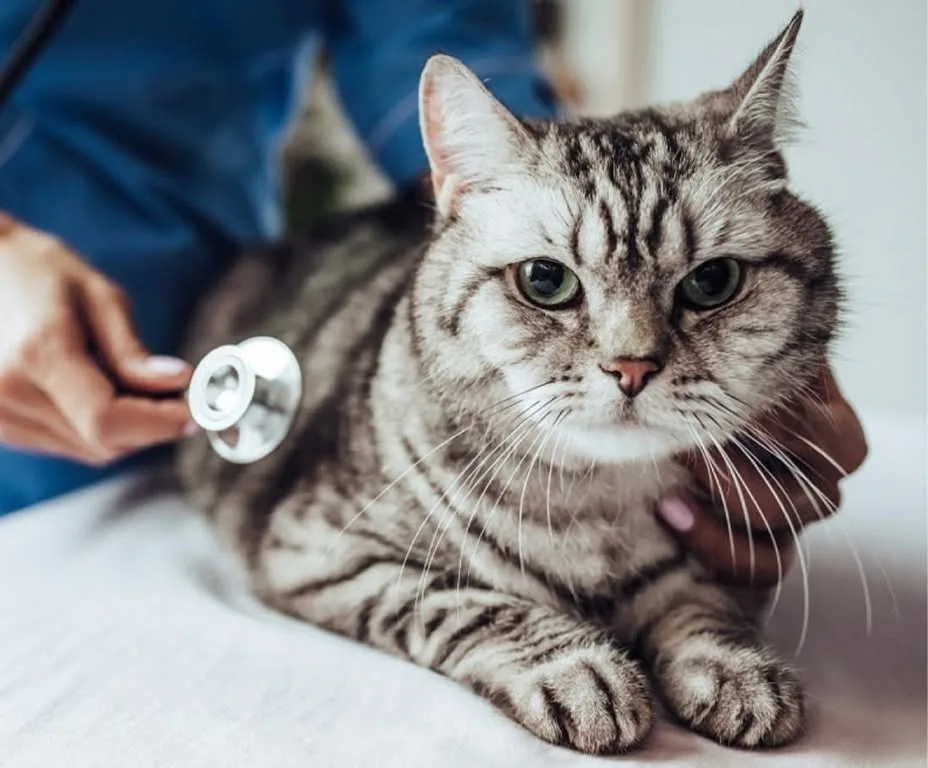

Situations That Require Emergency Veterinary Care
- Difficulty breathing
Open-mouth breathing, wheezing, or gasping for air.
- Uncontrolled bleeding
Excessive bleeding from wounds, nose, mouth, or other areas.
- Severe trauma
Injuries from falls, car accidents, or animal attacks.
- Seizures or loss of consciousness
Convulsions, sudden collapse, or unresponsiveness.
- Ingestion of toxins
Includes chocolate, xylitol, human medications, or household chemicals. Have the original toxin container on hand, if possible, and call one of the two pet poison helplines for assistance below:
- Bloated or distended abdomen
A potential sign of GDV (bloat), which is life-threatening.
- Heatstroke symptoms
Heavy panting, vomiting, collapse, or disorientation after heat exposure.
- Inability to urinate
Straining to urinate or crying out in pain, especially in male cats.
- Severe vomiting or diarrhea
Persistent episodes leading to dehydration.
- Eye injuries
Squinting, swelling, or trauma to the eye.
Urgent Care Veterinary Services Provided at Paddock Park Animal Care Center
Advanced diagnostics
Radiology (X-rays) and in-house laboratory testing for fast results.
Wound care & injury treatment
Immediate treatment for minor injuries and lacerations.
Pain management & fluid therapy
Essential treatments to stabilize and support recovery.
Toxin exposure treatment
Inducing vomiting and performing laboratory testing.
Frequently Asked Questions About Urgent Veterinary Care
Do I need to call ahead?
At Paddock Park Animal Care Center, we provide urgent for dogs, cats, small mammals, and reptiles during our regular clinic hours. It is always best to call us in advance if you are able, but we know that in certain situations, that's not always possible.
If we’re unable to see your pet right away, we recommend you contact a nearby emergency veterinary clinic for timely care.
When is your clinic open?
Our veterinarians see urgent cases during our regular business hours.
What situations require emergency veterinary care?
The following situations are examples of emergencies that require immediate care.
Your pet has ingested something poisonous (such as antifreeze, xylitol, chocolate, rodent poison, etc.)
Severe bleeding or bleeding that doesn't stop
Obvious signs of pain or extreme anxiety
Inability to urinate or pass feces, or pain associated with urinating or passing feces
Severe vomiting or diarrhea; 2+ episodes in 24 hours
Injuries to the eye(s)
Heat stress or heatstroke
Choking, difficulty breathing, or continuous coughing/gagging
Bleeding from the nose, mouth, rectum, or blood in the urine
Refusal to drink for 24 hours or more
Unconsciousness
Fractured bones or severe lameness
Seizures and/or staggering
How long will we have to wait to see the vet?
Our Ocala animal hospital is like any other doctor's office—cases can be unpredictable and you may have to wait.
We aren't able to predict which cases we will be able to see and when they will arrive. So, whenever possible, call ahead to find out whether we can provide urgent care for your dog or cat.
If we’re unable to see your pet right away, we may recommend that you contact a nearby emergency veterinary clinic for timely care.
What types of animals do you treat?
Our hospital takes care of dogs, cats, small mammals, and reptiles.
Book an Appointment at Paddock Park Animal Care Center
New pets are always welcome at Paddock Park Animal Care Center. Our friendly veterinary staff looks forward to providing our neighbors in the area and surrounding communities with the veterinary care they need.
