

Veterinary Internal Medicine
Internal medicine focuses on the diagnosis, treatment, and long-term management of complex medical conditions affecting an animal’s internal organ systems.
When pets experience ongoing, recurring, or difficult-to-diagnose health concerns, your veterinarian can perform a thorough evaluation, develop a treatment plan, and coordinate additional care when needed.
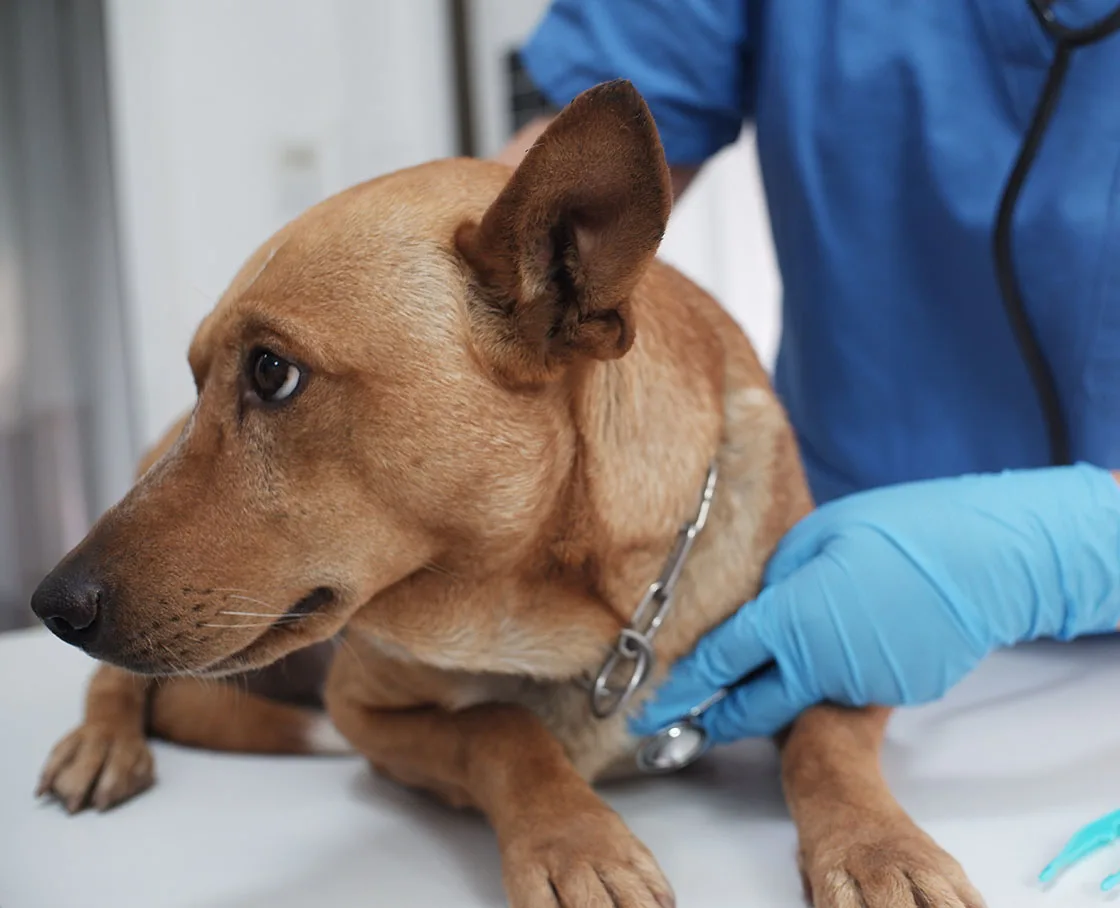
What Is Veterinary Internal Medicine?
Veterinary internal medicine involves the diagnosis and management of diseases affecting the body's internal systems, including:
Digestive system
Endocrine (hormonal) system
Respiratory system
Urinary system
Liver and gallbladder
Pancreas
Immune system
Blood and related disorders
Many internal medicine conditions require ongoing monitoring and individualized treatment plans to help pets maintain a good quality of life.
Conditions Commonly Evaluated
Internal medicine evaluations may be recommended for pets experiencing:
| Heart disease and heart murmurs | Chronic vomiting or diarrhea |
| Kidney disease | Unexplained weight loss |
| Liver disease | Increased thirst or urination |
| Diabetes | Persistent coughing |
| Thyroid disorders | Changes in appetite |
| Gastrointestinal disorders | Hormonal disorders |
| Respiratory disease | Urinary tract disorders |
| Pancreatic disease | Autoimmune disease |
| Chronic infections | Neurologic conditions |
| Anemia or blood disorders | Cancer and tumor evaluation |
| Complex or recurring medical conditions |

Diagnostic Testing & Evaluation
Internal medicine cases often require a detailed diagnostic approach. Depending on your pet's condition, your veterinarian may recommend:
Physical examinations
Laboratory testing
Urinalysis
Diagnostic imaging
Blood pressure evaluation
Cytology or biopsy procedures
Additional diagnostic testing as needed
These tools help provide a clearer understanding of your pet's condition and guide treatment recommendations.
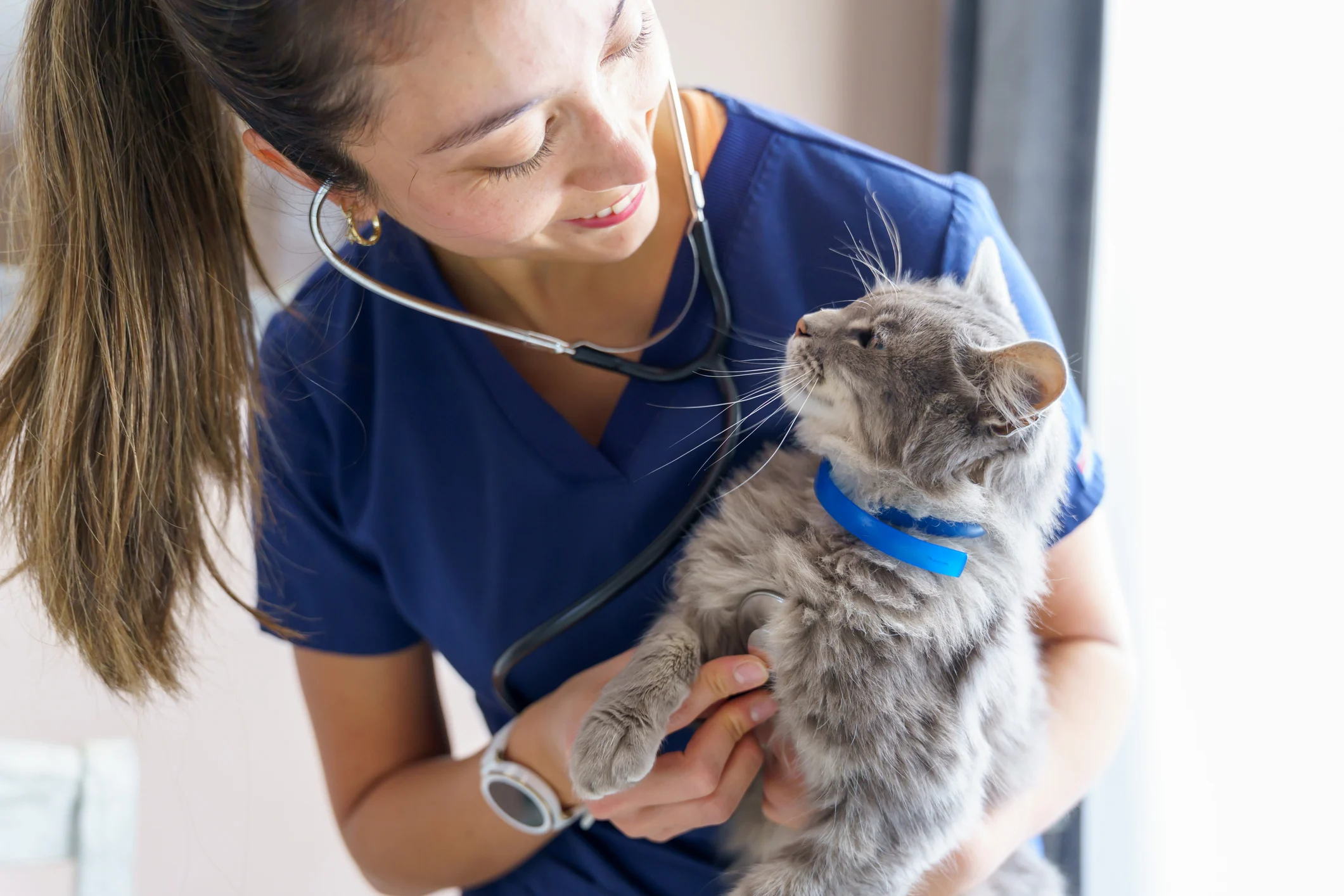
Treatment & Long-Term Management
Many internal medicine conditions can be successfully managed with ongoing veterinary care. Treatment plans may include:
Prescription medications
Dietary management
Monitoring and follow-up testing
Lifestyle recommendations
Supportive care
Long-term disease management
Your veterinarian will work closely with you to develop a treatment plan tailored to your pet's individual needs.
When A Referral May Be Recommended
Some complex cases may benefit from consultation or referral to a board-certified veterinary internal medicine specialist.
Your veterinarian will help determine when additional expertise, advanced diagnostics, or specialized treatment options may be beneficial and will coordinate care as needed.
Frequently Asked Questions
What is veterinary internal medicine?
Internal medicine focuses on diagnosing and managing diseases that affect the body's internal organ systems and often involves long-term medical care.
What symptoms may indicate an internal medicine condition?
Chronic vomiting, diarrhea, weight loss, increased thirst, persistent coughing, appetite changes, and unexplained illness are common reasons for evaluation.
Will my pet need diagnostic testing?
Many internal medicine conditions require laboratory testing, imaging, or other diagnostics to identify the underlying cause and guide treatment.
Can my primary care veterinarian manage internal medicine cases?
Yes. General practice veterinarians diagnose and manage many internal medicine conditions and can coordinate additional care when needed.
When would my pet need a specialist?
Referral may be recommended for particularly complex cases, advanced diagnostics, or specialized treatment options.
Will my pet need long-term treatment?
Some internal medicine conditions require ongoing monitoring and management, while others may resolve with appropriate treatment.
Book an Appointment at Paddock Park Animal Care Center
New pets are always welcome at Paddock Park Animal Care Center. Our friendly veterinary staff looks forward to providing our neighbors in the area and surrounding communities with the veterinary care they need.
