

Pet Allergy Testing & Treatment
Many ear, skin, coat, and nail conditions in dogs and cats can be caused by allergies. Allergies may affect the skin, ears, gastrointestinal tract, or respiratory system and can range from mild irritation to more significant discomfort.
If your pet is showing signs of allergies, your Ocala veterinarian can perform a physical examination, discuss your pet's history, and recommend diagnostic testing to help identify the cause and develop an appropriate treatment plan.

Common Types of Pet Allergies
Flea Allergy Dermatitis
Some pets are highly sensitive to flea saliva and may experience intense itching and skin irritation from even one single flea bite.
Food Allergies
Food allergies can cause skin issues, itching, ear infections, and gastrointestinal signs such as vomiting or diarrhea.
Environmental Allergies
Environmental allergens such as pollen, mold, dust mites, and grasses can trigger allergic reactions. Symptoms may occur seasonally or year-round.

Signs of Allergies in Pets
Symptoms vary depending on the type of allergy but may include:
- Itching, scratching, or licking
- Red, irritated, or inflamed skin
- Hair loss
- Recurrent ear infections
- Head shaking
- Skin rash or hives
- Sneezing or nasal discharge
- Vomiting or diarrhea
- Chewing or licking paws

Diagnosing Pet Allergies
Diagnosing allergies often involves a combination of:
Physical examination
Medical history review
Flea evaluation and prevention assessment
Diet trials for suspected food allergies
Allergy testing for environmental allergens
Ruling out other underlying medical conditions
Referral to a board-certified dermatologist, if necessary
Treating Pet Allergies
Treatment recommendations depend on the underlying cause and may include:
Prescription medications
Allergy management therapies
Dietary changes
Flea prevention
Medicated shampoos or topical treatments
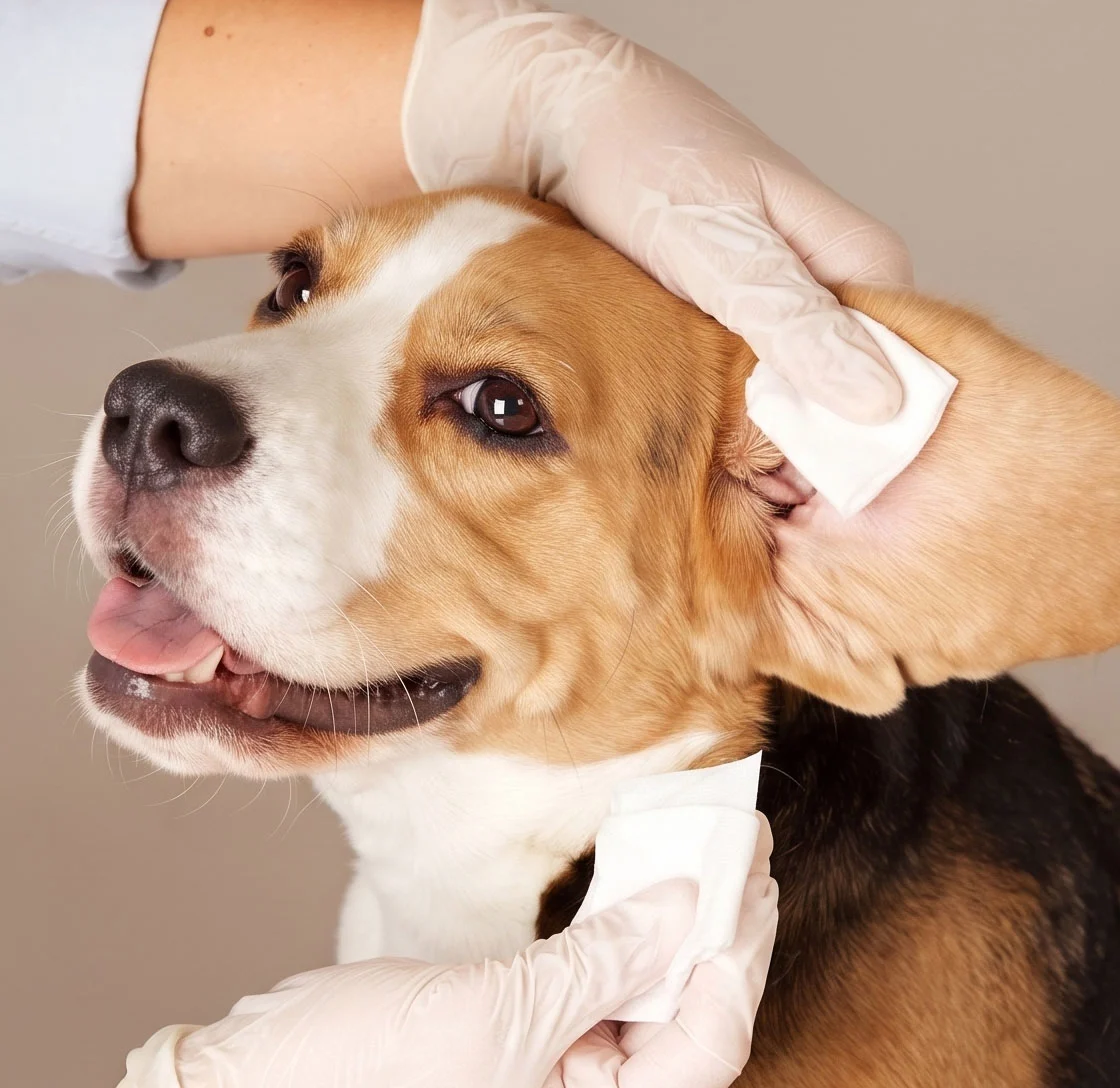
Ear treatments
Environmental management strategies
The goal of treatment is to reduce symptoms, improve comfort, and help your pet maintain a healthy quality of life.
Frequently Asked Questions About Allergies & Skin Care
What are the most common signs of allergies in pets?
The most common signs include itching, scratching, licking paws, recurrent ear infections, skin irritation, hair loss, and gastrointestinal upset.
Can pets develop allergies later in life?
Yes. Allergies can develop at any age, even if your pet has never shown symptoms before.
How do I know if my pet has a food allergy or an environmental allergy?
Many allergy symptoms overlap. Your veterinarian may recommend a diet trial, allergy testing, or other diagnostics to help determine the cause.
Is allergy testing recommended for all pets with allergies?
Not always. Your veterinarian will determine whether allergy testing is appropriate based on your pet's symptoms and medical history.
Can pet allergies be cured?
Most allergies cannot be cured, but they can often be successfully managed with an individualized treatment plan.
When should I schedule a veterinary appointment?
If your pet is experiencing persistent itching, recurrent ear infections, skin problems, or gastrointestinal issues, a veterinary evaluation can help identify the cause and provide relief.
Book an Appointment at Paddock Park Animal Care Center
New pets are always welcome at Paddock Park Animal Care Center. Our friendly veterinary staff looks forward to providing our neighbors in the area and surrounding communities with the veterinary care they need.
