
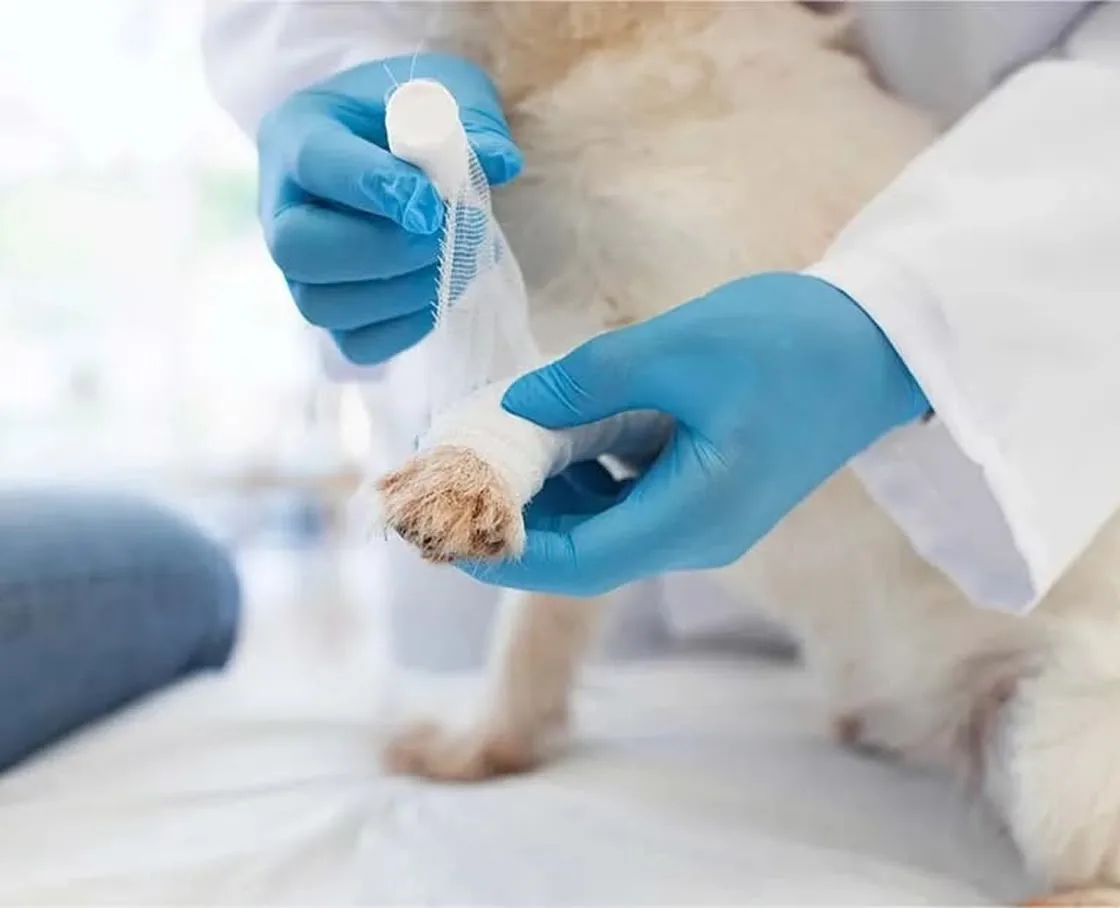
Veterinary Surgery in Ocala
Bringing your pet in for surgery can be an anxiety-inducing time for pet owners and animals alike. When pets are in such a vulnerable state, it’s essential to know that the veterinarian treating your pet is experienced and committed to caring for your pet as if it were their own.
That’s why it’s essential to use a trusted veterinarian for your pet’s surgery. Our Ocala-based clinic excels in surgical procedures and understands the importance of safe anesthesia practices, precise surgical techniques, and attentive post-op care.
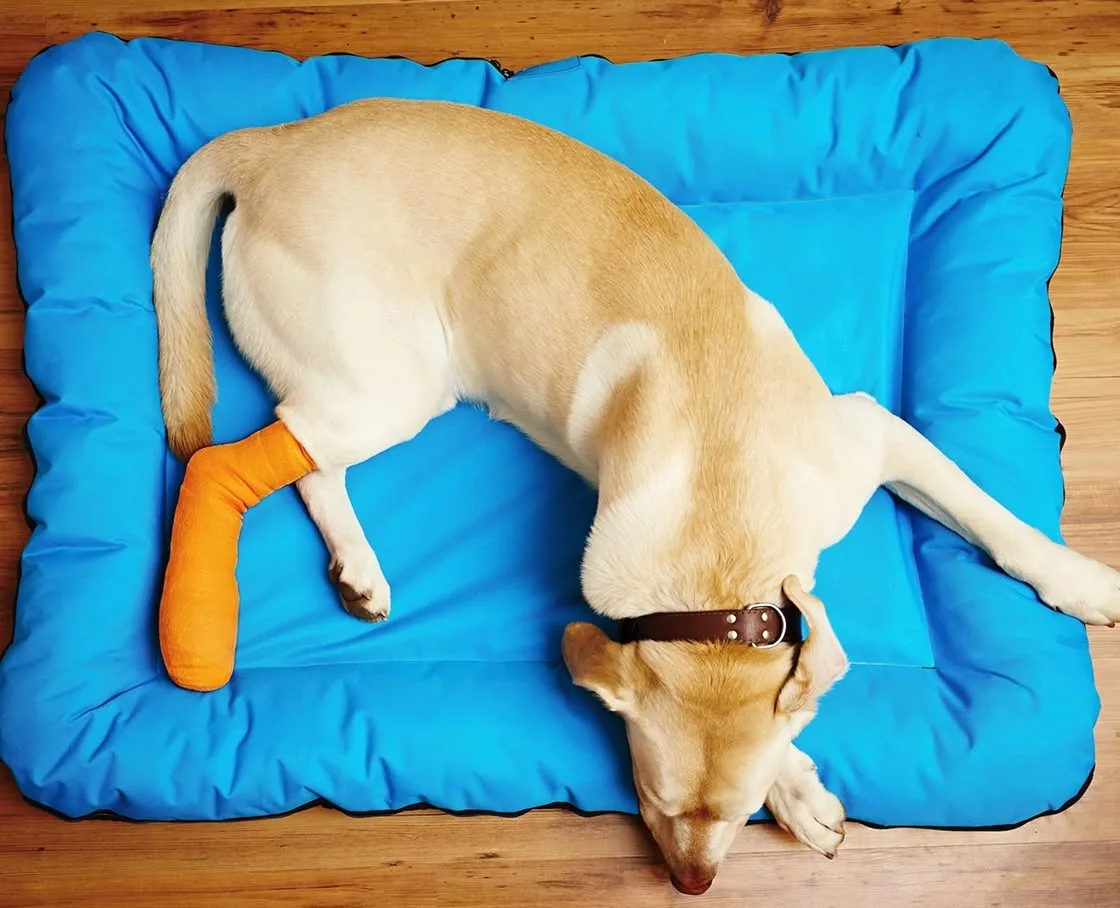
Why Choose Paddock Park Animal Care Center for Your Pet’s Surgery
At Paddock Park Animal Care Center, our highly-trained staff combines state-of-the-art equipment and technology with years of experience in surgical care to ensure your pet is getting the best possible care. Our team also adheres to strict safety and health protocols to keep animals fully protected during this sensitive time.
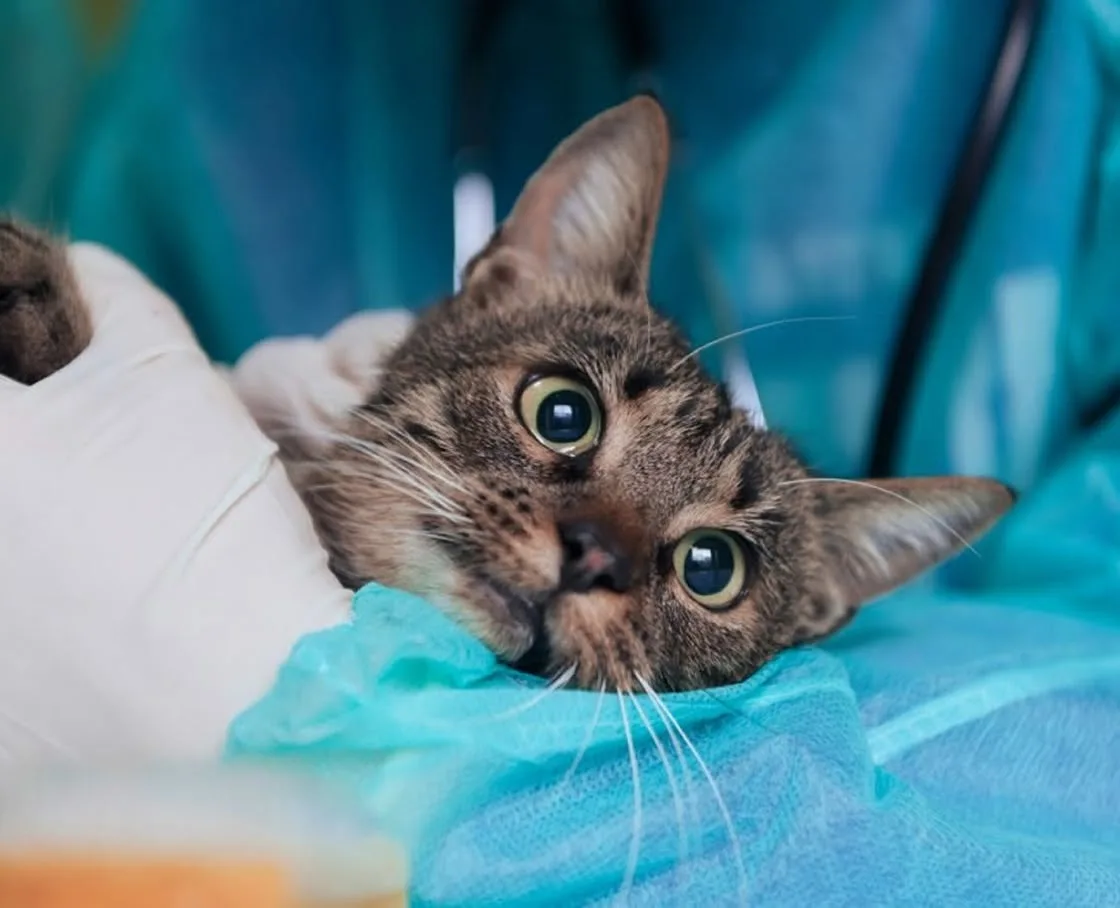
The Importance of Skilled Surgical Care
While surgeries can be scary, they may be essential for treating issues in pets such as severe injuries, growth removals, and life-threatening emergencies.
Proper surgical care can improve a pet’s quality of life, manage pain, promote long-term healing, and extend their lifespan. Timely intervention and properly performed surgery can prevent further complications and, in some cases, directly save a pet’s life.
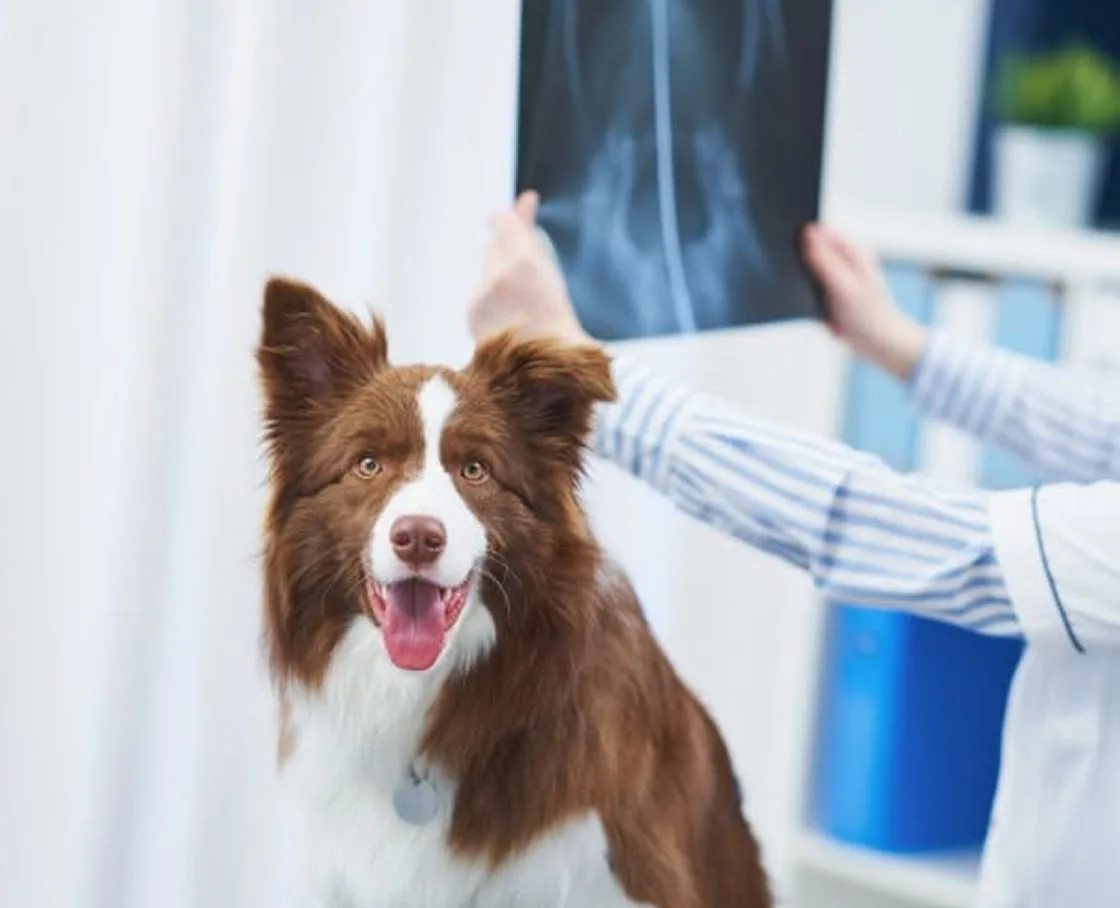
Surgical Services We Offer in Ocala
Our Ocala-based clinic offers a wide range of surgical services for common household pets, including:
Soft Tissue Surgery
We offer soft tissue surgical procedures to treat a wide range of conditions affecting your pet’s skin, muscles, internal organs, and other tissues.
Spaying & Neutering
When spaying or neutering a dog or cat, we surgically sterilize them in order to provide them with an extended life expectancy and prevent a wide variety of diseases.
C-Sections
During Caesarean sections, we surgically remove puppies or kittens from their mother's uterus.
C-sections are typically performed when the mother is unable to give birth naturally.
Mass Removal
Cats and dogs will often develop masses associated with their skin, especially as they age. Masses can also grow inside your companion's body cavity and potentially become quite serious or life-threatening.
Mass removal surgery is a fairly common procedure for both cats and dogs.
Foreign Body
Sometimes, foreign objects are ingested or can get stuck inside a cat's or dog's body.
Whether your pet has eaten an object they shouldn't have or if an accident was left them injured, our vets are able to perform foreign body surgery to remove the object.
In some cases, specialized skills or equipment are needed to perform pet surgery. If that is the case for your animal, your vet will refer you to a cat or dog surgeon near Santa Cruz County and work closely with your veterinary surgeon to ensure that your dog or cat receives the very best care.
Wounds
Wounds occur when living tissue has been cut, broken, burnt, torn, or otherwise damaged.
It's imperative that these wounds be cleaned, disinfected, and appropriately cared for by a qualified veterinarian as soon as possible.
Dental Surgery
Our veterinarians provide dental surgeries for dogs and cats. These surgeries can range from tooth extractions to gum disease treatment.
Pre- and Post-Operative Care
Although most of the attention may be focused on the surgery itself, it’s also important to work with your veterinarian to ensure your pet has proper pre-and-post-operative care.
Our clinic has strict protocols before a pet has surgery, including bloodwork, diagnostic imaging, and anesthetic risk assessment, to ensure it is safe for them to undergo the procedure.
After the surgery is completed, your doctor will work with you to develop a customized care plan that addresses the needs of your pet. This may include medications for pain management or swelling reduction, wound-care instructions, and follow-up appointments to monitor progress and ensure proper healing.
Payment Options for Surgery at Paddock Park Animal Care Center
At Paddock Park Animal Care Center, we offer flexible financing and insurance options for Surgery. Sign up today with any of our payment plan partners or contact us for specific questions about insurance coverage. Read more about our financing options here.

Pay for treatments and routine visits over time with convenient monthly payments.

Scratch offers simple, transparent payment plans for your veterinary needs.

We provide documentation to help you with your pet insurance reimbursements.
Frequently Asked Questions About Pet Surgery
Can I feed my pet before surgery?
The fasting period before surgery will vary depending on the type of surgery. However, you’ll typically want to avoid giving your pet food for at least 12 hours before the surgery. Water intake may also be limited, although in some cases it may be OK up to a few hours before the procedure. Consult with your veterinarian to get an exact fasting time period.
How long will my pet need to recover after surgery?
The type of surgery, the overall age and health of your pet, their species, and how the surgery went all play factors in how long it will take to fully recover from surgery. It’s important to remember that surgery is a major life adjustment for pets, and they may need to go without exercise (including running and jumping) for several weeks, if not longer, to fully heal. Walks may be limited to bathroom breaks only until your pet has made a full recovery.
Can I stay in the room during my pet’s surgery?
While it may be tempting to want to remain in the room when your pet undergoes surgery, we ask that you wait outside in a waiting area, or even at home if it will be an extended procedure. This allows your doctor to completely focus on your pet and ensures the area is fully hygienic and secure.
Book an Appointment at Paddock Park Animal Care Center
New pets are always welcome at Paddock Park Animal Care Center. Our friendly veterinary staff looks forward to providing our neighbors in the area and surrounding communities with the veterinary care they need.
